
7 Best Practices to Elevate Your Call Center Customer Experience
In today's competitive market, delivering an outstanding customer experience isn't just a nice-to-have—it's essential. As the frontline of customer interaction, call centers have a significant influence on how a brand is perceived. Customers now expect more than quick fixes; they crave meaningful, personalized engagements that cater to their unique needs. Many are willing to pay up to 16% more for a great customer experience.
So, how can you truly set your call center apart? It comes down to both the customer-facing elements and the behind-the-scenes operations. Let's explore some actionable strategies, enriched with real-world examples and case studies, to help you enhance your call center's customer experience.
1. Understand and Act on Customer Data
An average call center agent handles between 50 to 100 calls daily—that's a treasure trove of customer data waiting to be tapped into. By effectively harnessing this information, you can offer personalized solutions and anticipate customer needs more accurately.
Case Study
A leading e-commerce company noticed a spike in calls regarding delayed shipments. By analyzing customer data, they identified that delays were common in specific regions due to a new logistics partner. Armed with this insight, they proactively communicated with affected customers, offering them expedited shipping options or discounts on future purchases. This not only reduced call volume but also boosted customer satisfaction and loyalty.
By accessing historical data like past inquiries, purchase histories, and previous issues, agents can engage in more meaningful conversations. For instance, if a customer frequently purchases outdoor gear, agents can inform them about upcoming sales on camping equipment. According to industry insights from Protel BPO, data-driven approaches enable agents to predict customer behavior and address specific issues, making each interaction feel personalized.
2. Prioritize Agent Training and Development
Your agents are the voice of your company. Their ability to provide knowledgeable, empathetic support can leave a lasting impression on customers.
Example
A telecom company revamped its training program to include role-playing exercises and scenario-based learning. Agents practiced handling difficult customer situations, learned about new products, and stayed updated on industry trends. As a result, customer complaints decreased by 23%, and positive feedback increased significantly.
Invest in ongoing training that goes beyond the basics. Equip your agents with the tools they need to interpret customer data effectively. Workshops on communication skills, empathy training, and resilience can make a substantial difference in how agents interact with customers.
3. Implement Advanced Call Routing Systems
Long wait times and being bounced from one agent to another are surefire ways to frustrate customers. Advanced call routing can optimize operations and enhance the customer experience.
Case Study
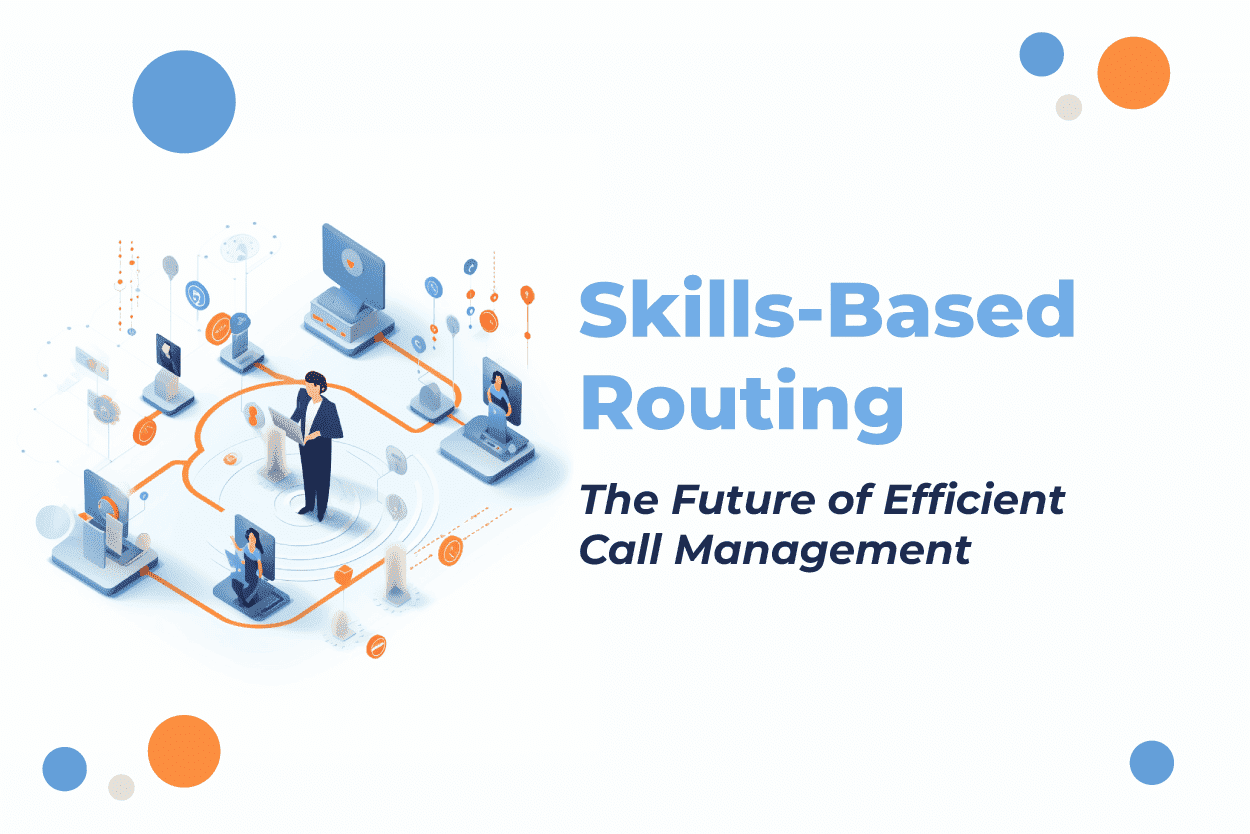
A financial services firm implemented a skills-based routing system. Customers calling about mortgage inquiries were directly connected to agents specialized in home loans. This reduced average handling time by 28% and increased first-call resolution rates.
Intelligent call routing ensures customers are directed to the most qualified agent to handle their specific needs. Integrating this with customer data allows for even more personalized service. For example, a returning customer with an unresolved issue can be connected to the same agent they spoke with previously, providing continuity and building trust.
With the rise of cloud-based contact center solutions—projected to reach a market value of $82.43 billion by 2030—remote call handling and flexible routing options are becoming industry standards.
4. Leverage Technology for Call Center Optimization
Staying competitive means embracing the latest technologies.
Example
A retail company integrated AI-powered chatbots on their website and social media platforms. These chatbots handled routine inquiries, freeing up agents to deal with more complex issues. They also used sentiment analysis tools to gauge customer satisfaction in real-time, allowing managers to step in when needed.
AI-driven tools like chatbots and sentiment analysis can streamline operations. By this year, over 8.4 billion voice assistant units are in use globally, many powered by AI. By next year, it's expected that about 95% of customer interactions will be influenced by these technologies. With half of social media users expecting a response in under an hour, leveraging technology is crucial.
Technology also provides managers with valuable insights to refine processes and set realistic performance goals. For instance, analytics can reveal peak call times, allowing for better staffing decisions.

5. Encourage Empathy and Communication Skills in Agents
Empathy isn't just a buzzword; it's a critical component of excellent customer service.
Example
An insurance company implemented an empathy training program after noticing that customer satisfaction scores were declining. Agents learned active listening techniques and how to validate customer feelings. Post-training, customer satisfaction scores improved by 39%.
Teaching agents to communicate clearly and listen actively can transform customer interactions. Adaptability is key—being able to match a customer's communication style can make the conversation more comfortable and productive.

6. Foster a Positive Work Environment
Happy employees often lead to happy customers.
Case Study
A tech support center noticed high turnover rates and declining performance. They introduced flexible scheduling, employee recognition programs, and wellness initiatives like on-site yoga classes. Employee engagement soared, turnover rates decreased by 52%, and customer satisfaction improved.
Creating a supportive environment helps agents manage the stresses of the job. Recognizing and rewarding strong performance not only boosts morale but also encourages agents to go the extra mile. Companies with highly engaged employees often see a 20% increase in sales, as motivated teams are more inclined to enhance customer service.
7. Personalize Customer Interactions
Personalization can turn a routine call into a memorable experience.
Example
A subscription box service used customer data to personalize interactions. If a customer had previously ordered a fitness box, agents would inform them about new wellness products or upcoming promotions in that category. This approach increased upsell rates by 15% and improved customer retention.
Simple gestures like using a customer's name, acknowledging past interactions, or referencing previous purchases make customers feel valued. Offering proactive solutions based on their history not only solves immediate issues but also builds long-term loyalty.
Conclusion
Setting your call center apart isn't about implementing one or two changes—it's about adopting a holistic approach that combines technology, training, personalization, and a supportive work environment.
At Protel BPO, we've embraced these best practices to deliver exceptional customer service. By prioritizing customer experience above all else, we've helped businesses not only retain customers but turn them into brand advocates.
From delivering personalized interactions to fostering genuine human connections, we strive to go above and beyond. This commitment enables us to provide exceptional service and help businesses earn their customers' loyalty.
Ready to Elevate Your Customer Experience?
Reach out to us at Protel BPO so we can guide you through the strategies we employ to deliver outstanding customer service. Let's work together to set your call center apart in today's competitive landscape.